

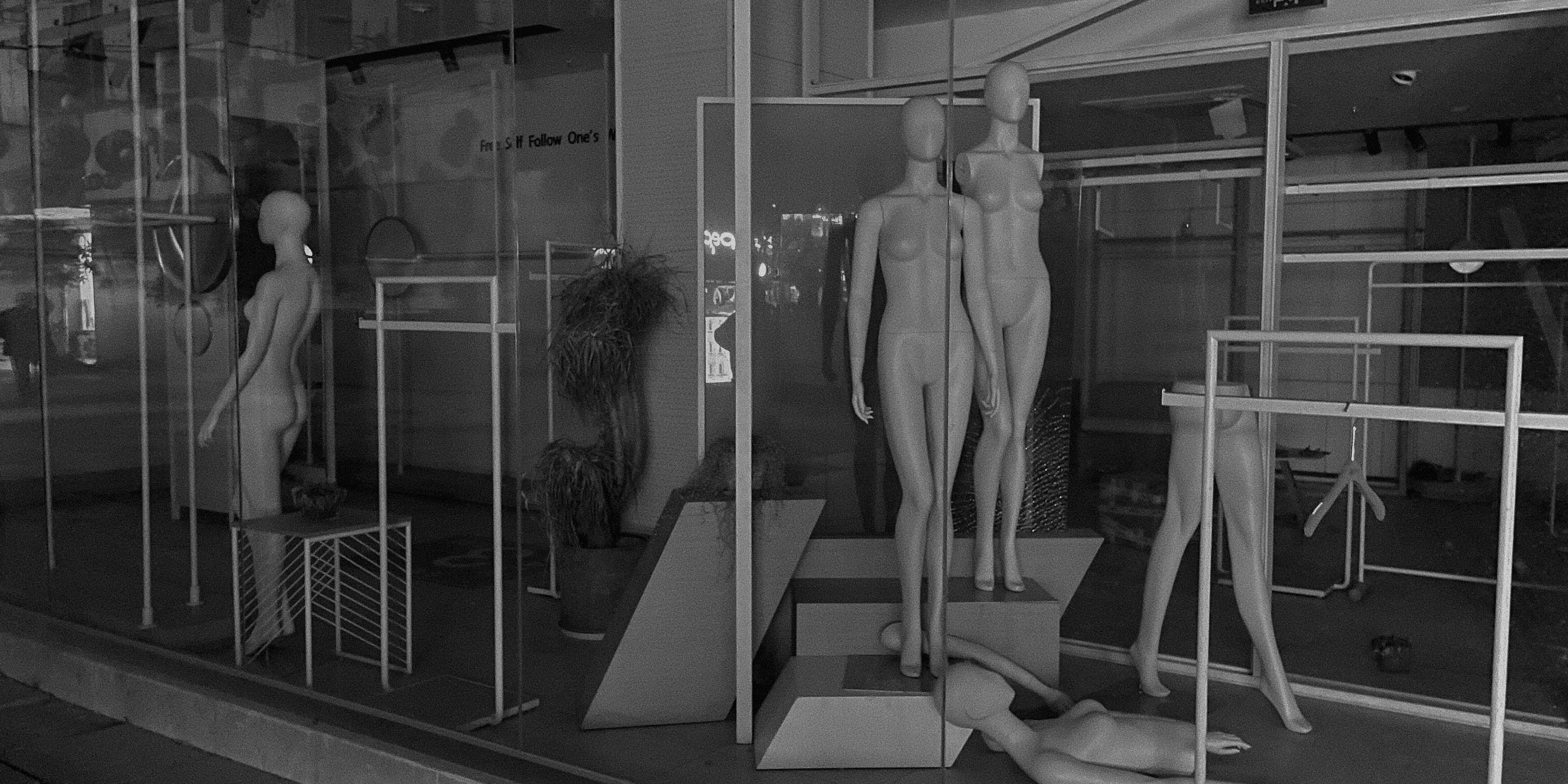
Mannequins turn clothing from individual products into complete, visible outfits. By showing how garments drape, layer, and work together, they help shoppers picture the pieces in everyday use rather than judging them only on a hanger. A carefully styled figure can also communicate a store’s character: tailored poses and restrained styling may suggest polish, while relaxed stances and casual combinations can convey an informal, contemporary mood. The display should reflect the merchandise and the customers it serves, making the store’s visual identity recognizable before shoppers examine individual items. Consistent styling across figures can strengthen that message without making the presentation feel repetitive.
Placement determines whether a mannequin captures attention or becomes visual clutter. Position figures near entrances, windows, or key merchandise zones to introduce new arrivals and direct attention to priority products. Angling a pose toward an aisle can guide the eye into the store, while grouping two or three figures creates a narrative around coordinated looks, occasions, or seasonal collections. Varying heights, poses, and spacing keeps a group dynamic, but each outfit should remain easy to see. Use lighting to bring out color, texture, and detail; focused illumination can distinguish a featured look, whereas harsh glare or deep shadows may distort fabric and skin tones. Refreshing these elements alongside campaign changes keeps the display relevant.
Props and backdrops can establish context; a simple bench, bag, or seasonal color treatment may suggest an occasion without competing with clothing. Choose accessories that support the story and keep product details visible. Protect sightlines and circulation: keep displays outside narrow aisles, avoid blocking signage or fixtures, and leave room for shoppers to move comfortably. Check the presentation from several approaches, including the entrance and fitting areas. A strong arrangement attracts attention, communicates an outfit idea, and keeps merchandise easy to browse and buy.
Start by matching the mannequin type to the merchandise and the story the display should tell. Full-body figures present complete outfits, making them useful for apparel retailers who want customers to see how garments work together, from clothing to footwear. Torso forms focus attention on shirts, jackets, lingerie, or jewelry and take up less floor space; they can also be easier to reposition on counters or shelves. For stores with limited room or a strong focus on individual products, a torso may offer a practical alternative to a full figure.
Style influences the mood of a display. Headless mannequins and abstract forms create a contemporary, understated look that keeps attention on the clothing, while realistic figures provide a lifelike presentation that may help shoppers imagine an outfit in use. Flexible or adjustable mannequins support a wider range of poses and styling options, which can be valuable for seasonal changes or frequent visual merchandising updates. When comparing these options, consider how their finish, materials, and overall appearance fit the store’s brand rather than selecting a style solely for visual impact.
Choose body proportions, skin tone, facial features, posture, and gender presentation with the target customer in mind. A figure that reflects the audience and the brand’s approach to representation can make displays feel more relevant and welcoming. Also assess practical requirements: garment category and size range determine whether the form must accommodate specific cuts or proportions, while display space affects its size and base. Consider how much styling flexibility staff need, how often displays change, and whether garments must be pinned or fitted closely. A considered choice balances appearance with everyday use, ensuring the mannequin supports the merchandise without distracting from it.
Mannequin material affects appearance, durability, handling, and upkeep. Fiberglass forms generally offer a polished, realistic finish and sturdy construction, making them suitable for premium displays and long-term use. They are relatively heavy, however, so moving them frequently can be difficult, and chips or cracks may require careful repair. Plastic mannequins are usually lighter and more affordable. They are practical for busy stores that regularly rearrange displays, though lower-cost models may look less refined or show scratches over time.
Wooden forms bring a distinctive, natural character to a shop, but their weight and style may limit flexibility across different display concepts. Fabric-covered mannequins provide a softer, tactile presentation and can work well for lingerie, accessories, or styling demonstrations. Their covering may collect dust or stain, so they typically need gentle, regular cleaning. Lightweight forms, including foam or hollow constructions, are easy to carry and reposition, but may be less resistant to impact and wear. Consider how often displays change and whether staff can safely handle the chosen form.
Functional details can make a mannequin more useful. Detachable limbs simplify dressing and storage, while magnetic or articulated joints allow faster changes in pose and garment styling. Interchangeable heads support different looks without requiring multiple complete figures. Adjustable stands help accommodate varying garment lengths and floor conditions; check that the base is stable and compatible with the intended display area. Also confirm footwear compatibility: some feet are designed for heels, while others accommodate flat shoes or require separate foot options.
Compare total value rather than purchase price alone. Review construction quality, finish, included accessories, shipping charges, assembly requirements, and the availability and cost of replacement parts. A low-priced model may become more expensive if it is difficult to assemble, costly to ship, or easily damaged. Estimate expected lifespan based on display frequency, handling, and maintenance needs. For stores that reposition figures often, a lighter, modular design may save staff time; a heavier, durable model may be a better investment for a stable, high-visibility display.
Before choosing a mannequin, begin by measuring the exact display area, including its height, width, and depth. Check ceiling clearance and the space needed around the figure for lighting or customer movement. Measure every doorway, corridor, lift, and stairwell along the delivery route; a model that fits the display may not pass through the entrance. Record measurements and compare them with the product’s overall dimensions, including its base and packaging if available. Identify which garments and sizes the display must support, from lightweight tops to heavy coats or full-length dresses. Check shoulder width, torso proportions, and garment size compatibility so clothing hangs naturally rather than pulling or bunching.
Next, choose a visual style that suits the store’s brand and can be repeated across displays. Decide whether a realistic, abstract, faceless, or headless form best presents the merchandise, and keep finishes and proportions consistent where several figures will appear together. Confirm stand requirements: determine whether a round, flat, or wheeled base fits the floor plan, whether the stand adjusts for shoes or garments, and whether the pose supports the intended presentation. For dynamic poses, verify balance and stability, especially when dressing the figure or placing it near customers. Read product specifications carefully, including materials, weight, assembly instructions, included components, and any limits on pose adjustment. Review clear product photographs from multiple angles and compare listed dimensions rather than relying on appearance alone. When practical, order a sample or view the model in person to assess finish, color, sturdiness, and ease of dressing.
Check delivery timing, return conditions, warranty coverage, and availability of spare parts. Upon arrival, lift heavier mannequins with assistance, secure the stand, and clean gently with material-appropriate products. Regularly inspect joints for looseness, and store figures safely padded in a dry place to prevent damage and surface scratches.